What You Cannot See, You Cannot Govern.Why Right Now is Critical
Right Now, employees are using AI tools your security team has never assessed, developers are committing credentials into public AI pipelines, agentic systems are expanding your attack surface through MCP and A2A protocols, and AI spend is outrunning every budget forecast. This is not a future threat. It is happening today.
Book An AI Exposure Assessment
Shadow AI
- Unsanctioned tools
- Personal AI accounts
- OAuth access risk
- No audit trail
Agentic AI Risk
- Autonomous AI agents
- MCP-connected tools
- Excessive permissions
- Uncontrolled agent actions
Developer AI
- AI coding assistants
- Credential leakage
- Repository exposure
- Code provenance gaps
AI Asset Registry
- Central AI system inventory
- Models, agents, tools, and datasets
- Ownership and approval records
- Continuous risk and cost tracking
Shadow AI: The Tools Nobody Approved
68% of employees use personal accounts to access free AI tools at work. 57% of those interactions involve sensitive data. The average enterprise hosts over 1,200 unofficial AI applications—and 86% of organisations are completely blind to the data flows they are generating. On free consumer plans, every proprietary document entered into an unapproved tool may be contributing to a publicly accessible AI model that your competitors can query.
Shadow AI Detection
Developer AI: The Leakage Hidden In Your Code Pipeline
Research by Gartner identified vulnerable output and sensitive data leakage as the two most impactful security risks from AI coding assistants, with a 2025 study finding that 36% of GitHub Copilot code suggestions contained security vulnerabilities ranging from SQL injection to hard-coded secrets. In late 2025, the s1ngularity and Shai-Hulud attacks demonstrated the compounding effect of ungoverned developer AI: malware specifically designed to hijack developers’ local AI tools — Claude Code and Gemini — to identify and exfiltrate GitHub and npm tokens, then use those credentials to automatically republish thousands of malicious code packages.
Developer AI Detection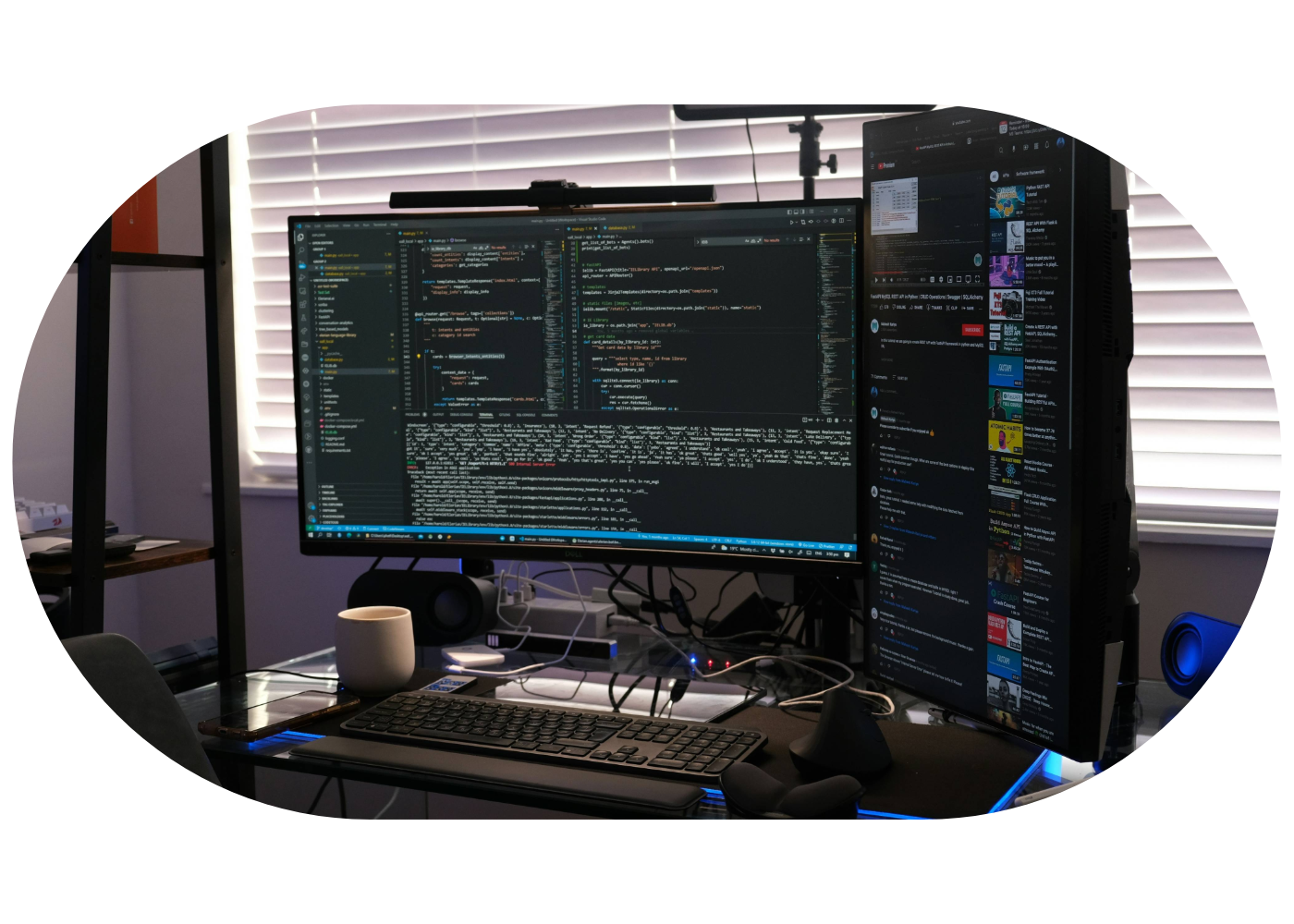
Invisible Compliance Exposure
The absence of AI governance is no longer a theoretical future risk — it is a current compliance exposure. As AI tools spread across employee workflows, developer environments, SaaS platforms, and third-party systems, regulated data can move into prompts, outputs, and external models without clear ownership, contractual protection, or audit evidence. For financial services, healthcare, and other regulated sectors, the gap is not just whether AI is being used. It is whether the organisation can prove what AI is running, what data it touches, who approved it, and what governance action has been taken.
Read More
Spiraling AI Costs: The Budget Nobody is Measuring
The shift from flat-fee AI subscriptions to consumption-based pricing is creating a new category of financial exposure. Costs now scale with every prompt, token, and API call, but most finance and technology leaders still lack reliable visibility into who is using what. This gap compounds with each new tool, business unit AI pilot, and Shadow AI workflow. Budget can be consumed through personal expense claims, duplicated subscriptions, API usage, and hidden overages that only appear once the invoice arrives.
Read More
From Invisible Exposure to Governed AI
Discover AI Exposure
Identify Shadow AI, autonomous agents, developer AI activity, exposed credentials, and unregistered AI assets across the enterprise.
Assess Risk and Costs
Evaluate each exposure by data sensitivity, permissions, business context, potential impact, regulatory obligations, and operational cost.
Prioritise Remediation
Route high-risk tools, excessive permissions, credential exposure, unapproved projects, and compliance gaps into accountable remediation workflows.
Evidence Governance
Produce board-ready dashboards, audit trails, asset records, risk decisions, and compliance evidence that stakeholders can verify.